
Crimzle › Previous cases › Case 023
Sabotage on the Cold River
Case 023 · 1 October 2026 · Easy
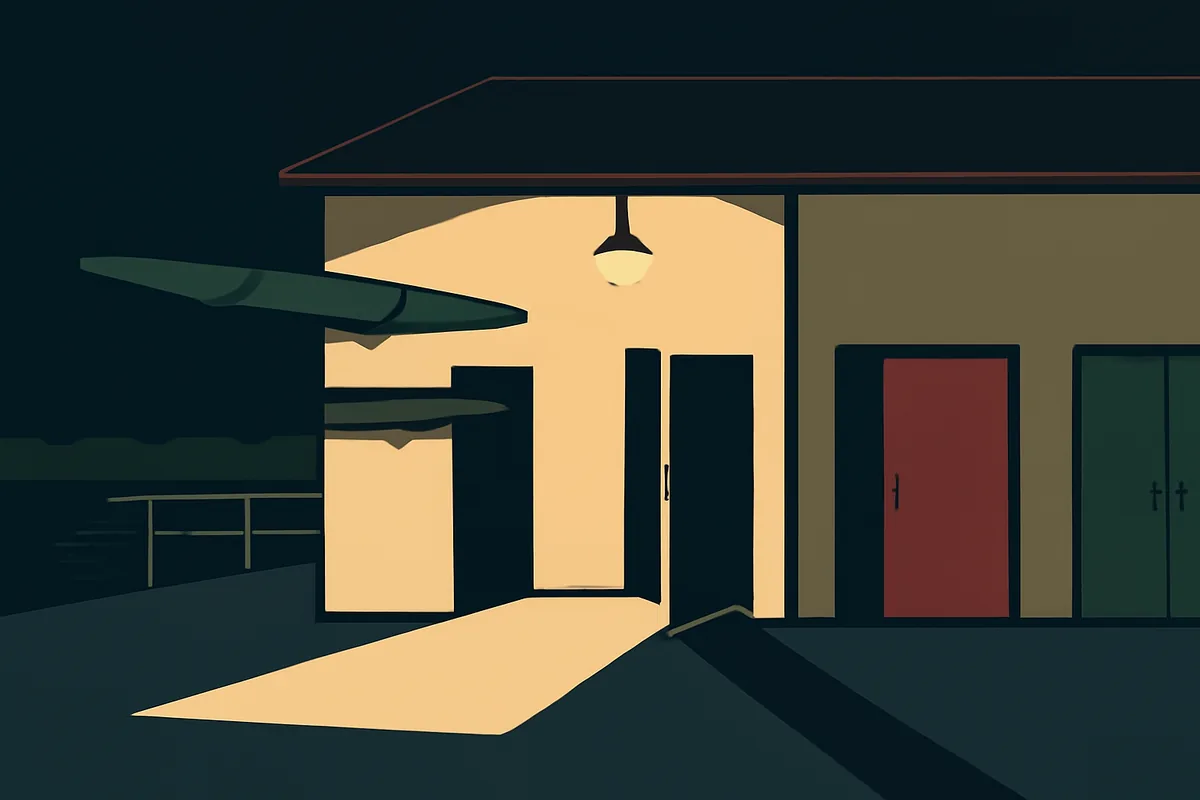
The Cold River Rowing Club was counting on its flagship racing shell for the regional regatta, after months of training and costly repairs. On the morning of the final selection trials, the crew found the shell dangerously weakened, its internal bracing cut and hidden damage along the keel. An initial report tried to blame gradual wear, but a closer inspection showed deliberate, precise cuts that could only be sabotage. With sponsors already whispering and insurance investigators circling, the committee called in an outside investigator. Three people had both access and motive within the quiet rooms of the club that evening, when the shell was last known to be intact.
Suspects
-
Mildred Fairweather
club treasurer and long‑time committee member
Mildred has overseen the club’s accounts for over a decade and fought hard against the recent expensive overhaul of the racing shell. A cancelled sponsorship meant that any further damage to the boat could justify scrapping it and redirecting funds to the crumbling clubhouse roof she has been pleading to repair.
-
Oswald Farrow
head coach and selection officer
Oswald’s position depends on the club’s results, and he has been under pressure after two poor seasons. Rumours suggest the insurance payout for a destroyed shell could fund a newer design he has been lobbying for, and losing this older boat might also sideline veteran rowers who resist his methods.
-
Theodora Halloway
former national rower and recently appointed club sponsor liaison
Theodora returned to the club to rebuild its public image and attract elite sponsors. If the ageing shell failed dramatically under the current committee’s watch, she could argue for sweeping changes and greater control over which athletes and equipment the sponsors backed.
Possible tools
-
the toolbox key
A heavy brass key that opens the metal toolbox where the club stores its saws, files and spare fittings. Without this key, the box stays locked and the more dangerous tools remain out of casual reach.
-
the carbon-fibre offcut
A dense strip of leftover carbon‑fibre laminate from an older repair, smooth on one side and sharply edged on the other. In the wrong hands, it could be used to score or weaken a hull without leaving obvious tool marks.
-
the rigging tape roll
A light roll of white rigging tape used to secure oarlocks and tidy loose cables along the boats. It is harmless by itself, but missing tape can indicate someone was recently working on the fittings.
Places
-
the boat workshop
A narrow indoor workshop behind the main bays, where damaged shells are propped in cradles for sanding, patching and fibre repairs. The air smells of resin and dust, and every mark on a hull is recorded here before regattas.
-
the river balcony
A long wooden balcony running along the upper floor, looking out over the dark river and the moored shells below. Committee members often stand here to watch practice runs and make quiet decisions away from the crew.
-
the equipment storage room
A cramped storeroom off the main corridor, lined with racks of spare riggers, oarlocks, seat tracks and sealed boxes of hardware. Access is logged, but the door was left on manual latch the evening before the trials.
Evidence & statements
- At least one of these is true: whoever was in the boat workshop was carrying the rigging tape roll, or Oswald Farrow was the one carrying the toolbox key.
- Mildred Fairweather spent the crucial fifteen minutes out on the river balcony.
- The object held by whoever was in the boat workshop was the lightest of all three objects.
- Fresh scuff marks from shoe soles were found on the dust of the equipment storage room floor that matched none of the regular key‑holders: the saboteur spent those minutes in the equipment storage room.